
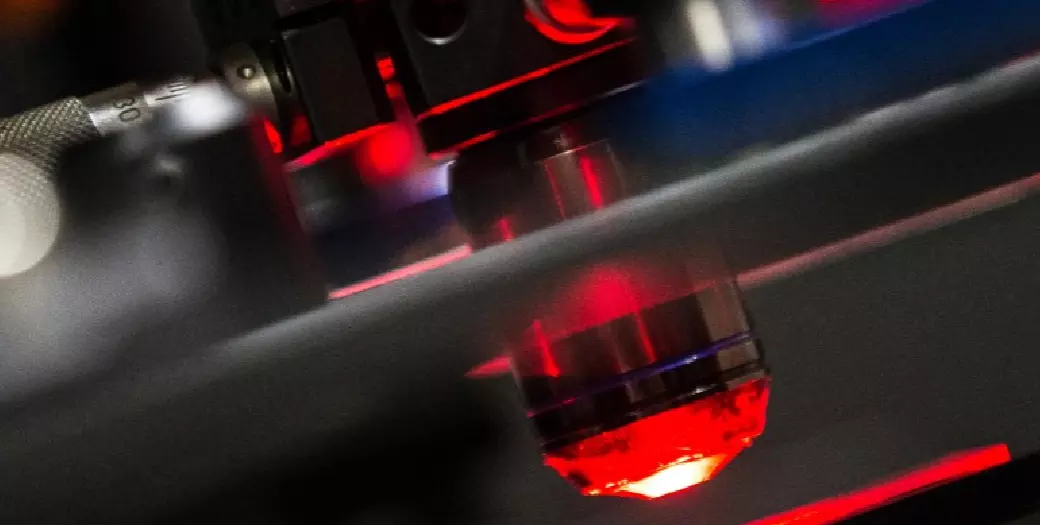
Photons provide both the briefest known events in the universe - optical pulses of order 10-16 seconds in duration - and the means to measure the age of the universe itself (1017 seconds) via the spectrum of microwave background radiation. The scope and use of photonics in the 21st century, over 50 years after the invention of the laser, is vast and continually expanding, as basic research in the generation, manipulation, interaction, and detection of light fuels scientific discovery, the creation of novel applications, and the invention and engineering of new materials and devices for use in our everyday lives.
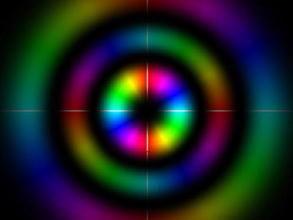
Image
spectrum

Researchers at the University of Oxford are at the forefront of developments in both fundamental and applied optics and photonics. From quantum photonics and metrology to super-resolution optical imaging, biophotonics, ultrafast spectroscopy, sensing, and laser processing, Oxford offers both a diverse range of expertise and a vibrant photonics community in which to study and work. The Photonics Network was set up by researchers in Chemistry, Engineering, Materials, Physics and biomedical departments, to organise optics and photonics related events and a range of interdisciplinary collaborative work.  Activities started in 2011 and have been growing ever since.

 

Image
line


People

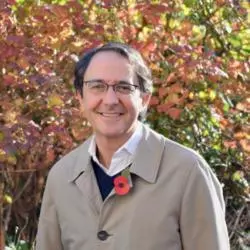
Grant Ritchie

Grant Ritchie

My research interests lie in ultrasensitive absorption spectroscopy and optical manipulation.
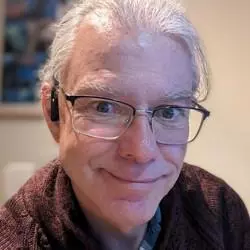
patrick salter

Patrick Salter

Dr Patrick Salter is working on using short pulse laser fabrication to manufacture new functional devices.
Ekaterina Shamonina

Ekaterina Shamonina

My research covers metamaterials, electrodynamics, plasmonics, nanophotonics and microwave optics.
Jason Smith

Jason Smith

Our research focuses on the optical and electronic properties of solid state nanostructures for applications such as optoelectronics devices, quantum information processing and photovoltaics.
Henry Snaith FRS

Henry Snaith FRS

Our research is primarily focused on developing the physics and technology behind low cost photovoltaic concepts.
Paul Stavrinou

Paul Stavrinou

My research interests span the development of materials (organic and inorganic) for photonic applications and optoelectronic device components.
Chris Stevens

Chris Stevens

My research area is Ultrafast Electronics which is a rapidly developing field in which we explore the ultimate speed limits of electronics.
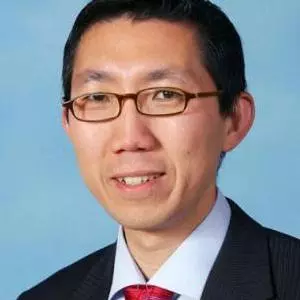
Jin-Chong Tan

Jin-Chong Tan

I lead the Multifunctional Materials & Composites (MMC) Lab, where we develop nanoporous metal-organic frameworks (MOFs)
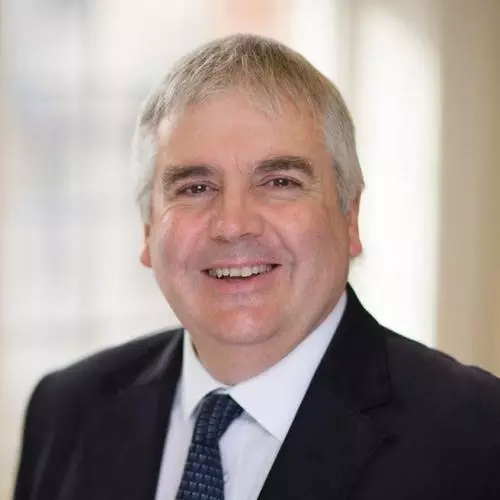
Robert Taylor

Robert Taylor

I am interested in the optical properties of materials, particularly in the areas of nanotechnology and quantum computing.